"1996년 3월, 국민학교는 왜 초등학교로 바뀌었을까요? 황국신민에서 유래된 이름이
광복 후에도 50년간 유지된 정치적 배경과 김영삼 정부의 역사 바로 세우기 과정을 통해
명칭 변경의 진짜 의미를 알아봅니다."

[서론] 1996년, 50년 만의 개명
1996년 3월 1일 이전 출생자들에게는 '국민학교'가, 이후 세대에게는 '초등학교'가 익숙합니다. 단순히 세대를 가르는 단어 같지만, 이 명칭의 변화 속에는 대한민국 근현대사의 아픔과 정치적 격변이 고스란히 담겨 있습니다. 오늘은 단순한 이름 변경이 아닌, 일제 잔재 청산과 민주 시민 교육으로 나아가는 50년의 역사적 과정을 정리해 봅니다.
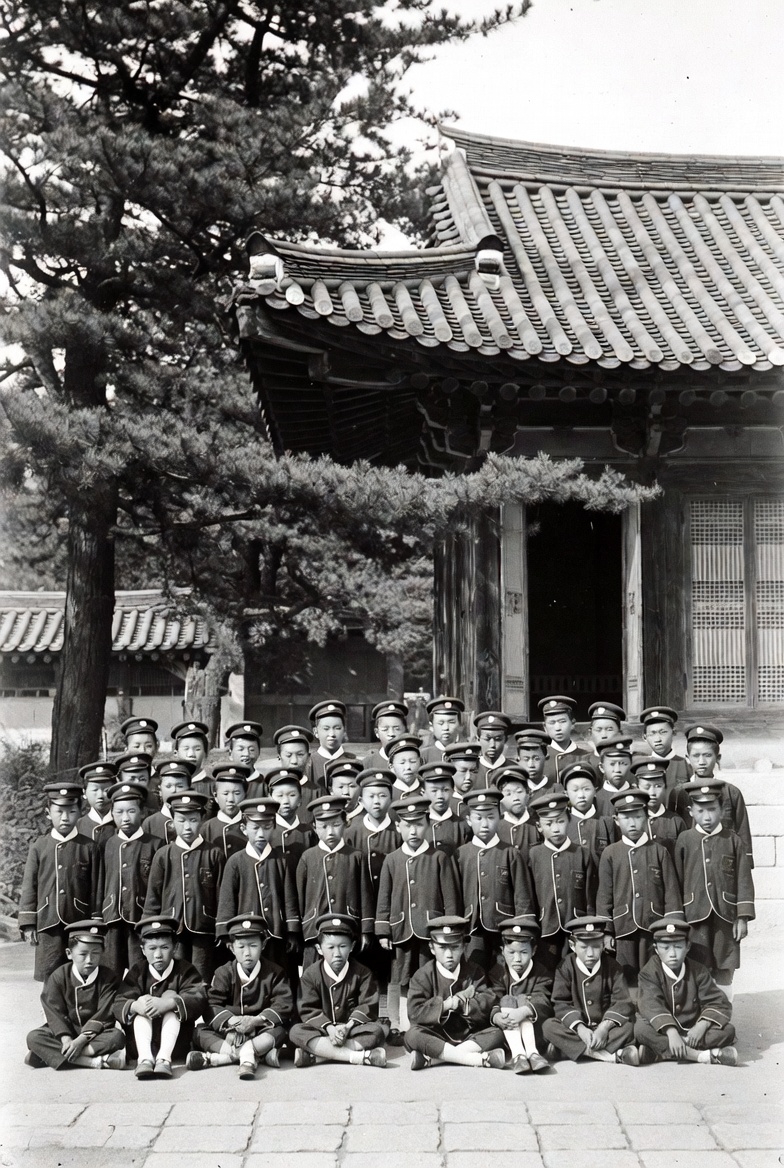
[본론 1] '국민학교'의 탄생: 황국신민의 서사 (1941년)
원래 우리나라는 개화기 때부터 초등 교육 기관을 **'소학교(小學校)'**라고 불렀습니다. 하지만 1941년, 일제강점기 말기에 접어들며 이 명칭은 강제로 변경됩니다.
- 배경: 태평양 전쟁을 앞둔 일제는 조선인들을 전쟁터로 내몰기 위해 강력한 황민화 정책이 필요했습니다.
- 의미: 일왕 칙령에 의해 바뀐 '국민학교'의 '국민(國民)'은 '황국신민(皇國臣民)'의 줄임말이었습니다. 즉, '일본 천황의 충성스러운 신하이자 백성'을 길러내는 훈련소라는 군국주의적 의미가 담겨 있었습니다.
[본론 2] 잃어버린 50년: 광복 후, 왜 바로 바꾸지 않았을까? (1945~1995년)
많은 분들이 가장 의아해하는 부분입니다. "광복이 되었으면 당장 일제 잔재인 이름부터 바꿨어야 하지 않나?"라는 의문이죠. 하지만 '국민학교'라는 간판은 광복 후에도 무려 50년 넘게 유지되었습니다. 여기에는 두 가지 큰 이유가 있었습니다.
- 초기 행정력 부재와 혼란: 광복 직후에는 교사 부족, 문맹 퇴치, 교과서 제작 등 당장 해결해야 할 교육 문제가 산더미였습니다. 간판을 바꾸고 행정 용어를 수정하는 비용과 절차는 우선순위에서 밀려났고, 곧이어 터진 6.25 전쟁으로 시기를 완전히 놓치게 됩니다.
- 군사 정권의 통치 이념과 결합: 이것이 가장 결정적인 이유입니다. 60~80년대 군사 독재 시절, 국가는 '개인의 권리'보다 '국가에 대한 충성'을 강조했습니다. **'국가에 헌신하는 국민'**을 길러낸다는 당시의 통치 철학(예: 국민교육헌장)은 아이러니하게도 일제가 만든 '국민학교'라는 명칭과 뉘앙스가 맞아떨어졌습니다. 굳이 바꿀 필요성을 느끼지 못한 채 익숙함 속에 묻혀버린 것입니다.
[본론 3] 역사 바로 세우기와 '초등학교'의 시작 (1996년)
굳게 닫혀있던 빗장은 1990년대 문민정부가 들어서며 열립니다.
- 광복 50주년의 상징성: 1995년은 광복 50주년이 되는 해였습니다. 김영삼(YS) 정부는 **'역사 바로 세우기'**를 최우선 국정 과제로 삼았습니다. 조선총독부 건물을 철거하고, 일제 잔재를 청산하자는 여론이 들불처럼 일어났습니다.
- 초등학교로의 회귀: 1995년 8월 11일, 광복 50주년을 며칠 앞두고 명칭 변경이 공식 발표됩니다. 그리고 이듬해인 1996년 3월 1일, 전국의 모든 국민학교는 **'초등학교(Elementary School)'**로 바뀝니다.
- 초등학교의 뜻: '초등(初等)'은 '기초적인 교육을 시작한다'는 뜻으로, 국가에 종속된 신민이 아닌 배움의 주체로서 학생을 존중하는 민주적 교육관을 담고 있습니다.
[결론] 이름을 부르는 것이 역사의 시작
'국민학교'와 '초등학교'. 두 단어의 차이는 '황국신민'과 '민주 시민'의 차이와 같습니다. 50년이나 늦었지만, 우리는 잘못된 역사를 바로잡았습니다. 이 명칭 변경의 역사를 기억하는 것은, 우리가 어떤 교육을 지향해야 하는지 상기시켜 주는 중요한 이정표가 될 것입니다.
Title: The Difference Between Gungmin-hakgyo and Elementary School: Why It Took 50 Years to Change the Name After Independence
Meta Description: Why did South Korea's "Gungmin-hakgyo" change to "Elementary School" in March 1996? Discover the political background of why a name rooted in Imperial Japan lasted for 50 years and the true meaning of the name change through the Kim Young-sam administration's "Setting History Right" initiative.
[Introduction] 1996: A Name Change 50 Years in the Making For those born before March 1, 1996, the term "Gungmin-hakgyo" is familiar, while for younger generations, "Elementary School" (Chodeung-hakgyo) is the norm. Beyond just a generational gap, this name change carries the pain of Korea's modern history and significant political shifts. Today, we explore the 50-year journey of purging colonial remnants and moving toward democratic civic education.
[Body 1] The Birth of 'Gungmin-hakgyo': The Narrative of Imperial Subjects (1941) Originally, since the opening of Korea's ports, primary education institutions were called "Sohakgyo" (Small School). However, in 1941, during the late colonial period, the name was forcibly changed by the Japanese Empire.
- Background: Facing the Pacific War, Japan needed a strong policy of "imperialization" to mobilize Koreans for the battlefield.
- Meaning: The word "Gungmin" (National/Citizen) in Gungmin-hakgyo was an abbreviation for "Hwangguk Shinmin" (Subjects of the Imperial Emperor). It held a militaristic meaning of a training ground to raise "loyal subjects of the Japanese Emperor."
[Body 2] The Lost 50 Years: Why Wasn't It Changed Immediately After Liberation? (1945–1995) Many wonder, "Shouldn't the colonial name have been changed immediately after independence?" Yet, the signboards remained for over 50 years. There were two major reasons:
- Initial Administrative Limitations and Chaos: Immediately after liberation, the priority was addressing illiteracy, teacher shortages, and textbook production. The cost and procedures of changing names were sidelined, and the outbreak of the Korean War caused the opportunity to be missed entirely.
- Alignment with Military Regime Ideology: During the military dictatorships of the 60s through the 80s, the state emphasized "loyalty to the nation" over "individual rights." The ruling philosophy of raising "citizens devoted to the state" (e.g., the Charter of National Education) ironically aligned with the nuance of the colonial-era name. People became accustomed to it, and awareness of its origins faded.
[Body 3] Setting History Right and the Start of 'Elementary School' (1996) The deadlock was finally broken in the 1990s with the inauguration of the civilian government.
- Symbolism of the 50th Anniversary of Liberation: 1995 marked 50 years of independence. The Kim Young-sam (YS) administration made "Setting History Right" a top national priority, leading to the demolition of the Japanese General-Government Building and a surge in public demand to purge colonial remnants.
- Return to 'Elementary School': On August 11, 1995, the change was officially announced. On March 1, 1996, every Gungmin-hakgyo was renamed "Elementary School" (Chodeung-hakgyo).
- The Meaning: "Chodeung" (Primary/Elementary) means "starting the foundation of education." It embodies a democratic educational view that respects students as independent learners rather than subjects of the state.
[Conclusion] Calling Things by Their Right Names is the Start of History The difference between "Gungmin-hakgyo" and "Elementary School" is the difference between being "imperial subjects" and "democratic citizens." Though it took 50 years, we have corrected a historical wrong. Remembering this history serves as an important milestone for the direction of our future education.
タイトル:国民学校と初等学校の違い:解放後も50年間名前を変えられなかった理由
メタディスクリプション: 1996年3月、韓国の「国民学校」はなぜ「初等学校」に変わったのでしょうか?皇国臣民に由来する名称が解放後も50年間維持された政治的背景と、金泳三政府の「歴史立て直し」作業を通じた名称変更の真の意味を探ります。
【導入】1996年、50年越しの改名 1996年3月1日以前に生まれた世代には「国民学校」が、それ以降の世代には「初等学校」という言葉が馴染み深いでしょう。単なる世代間の呼び方の違いに見えますが、この名称の変化には韓国近現代史の痛みと政治的激変が込められています。今日は、日帝残滓の清算と民主市民教育へと進む50年の歴史的過程を整理します。
【本論1】「国民学校」の誕生:皇国臣民の叙事(1941年) もともと韓国では開化期から初等教育機関を**「小学校」**と呼んでいました。しかし1941年、日本統治時代の末期にこの名称は強制的に変更されます。
- 背景: 太平洋戦争を控え、日本は朝鮮人を戦場へ駆り出すために強力な「皇民化政策」を必要としました。
- 意味: 天皇の勅令により変わった「国民学校」の「国民」は、「皇国臣民」の略語でした。つまり、「天皇の忠実な臣下であり、民」を育成するための訓練所という軍国主義的な意味が込められていたのです。
【本論2】失われた50年:解放後、なぜすぐに変えなかったのか?(1945〜1995年) 多くの人が疑問に思う部分です。「解放されたのなら、すぐに日帝残滓である名前から変えるべきではなかったのか?」という点です。しかし、「国民学校」という看板は解放後も50年以上維持されました。そこには2つの大きな理由がありました。
- 初期の行政力不足と混乱: 解放直後は文盲の退治、教師不足、教科書の製作など、直面する教育問題が山積みでした。看板の架け替えや行政用語の修正は優先順位から外れ、その後の朝鮮戦争により時期を完全に逃してしまいました。
- 軍事政権の統治理念との結合: これが決定的な理由です。60〜80年代の軍事独裁時代、国家は「個人の権利」よりも「国家への忠誠」を強調しました。**「国家に献身する国民」**を育てるという当時の統治哲学(例:国民教育憲章)は、皮肉にも日帝が作った「国民学校」という名称のニュアンスと合致していました。そのため、変更の必要性を感じないまま定着してしまったのです。
【本論3】歴史立て直しと「初等学校」の始まり(1996年) この流れが変わったのは、1990年代に文民政府(金泳三政権)が発足してからでした。
- 光復50周年の象徴性: 1995年は光復(解放)50周年となる年でした。金泳三政府は**「歴史立て直し」**を最優先課題とし、旧朝鮮総督府庁舎の撤去など、日帝残滓清算の世論が高まりました。
- 初等学校への回帰: 1995年8月11日、名称変更が公式発表されました。そして翌年の1996年3月1日、全国の国民学校は**「初等学校」**へと名前を変えました。
- 初等学校の意味: 「初等」は「基礎的な教育を始める」という意味で、国家に従属する「臣民」ではなく、学びの主体として学生を尊重する民主的な教育観が込められています。
【結論】正しく呼ぶことが歴史の始まり 「国民学校」と「初等学校」。この二つの言葉の違いは、「皇国臣民」と「民主市民」の違いと同じです。50年遅れましたが、私たちは誤った歴史を正しました。この名称変更の歴史を記憶することは、私たちがどのような教育を目指すべきかを再確認する重要な道標となるでしょう。


